
If you've ever looked at your succulent collection and wondered "Why are my plants suddenly tall and spindly instead of cute and compact?" – you're definitely not alone! This is one of the biggest questions I get when I meet customers face to face, and the good news is that leggy succulents are totally fixable.
When your succulents start stretching out like they're reaching for something, it's called etiolation, and while it might look alarming at first, understanding why it happens will help you turn those gangly plants back into the gorgeous, compact beauties you fell in love with.
What Exactly Is Etiolation?
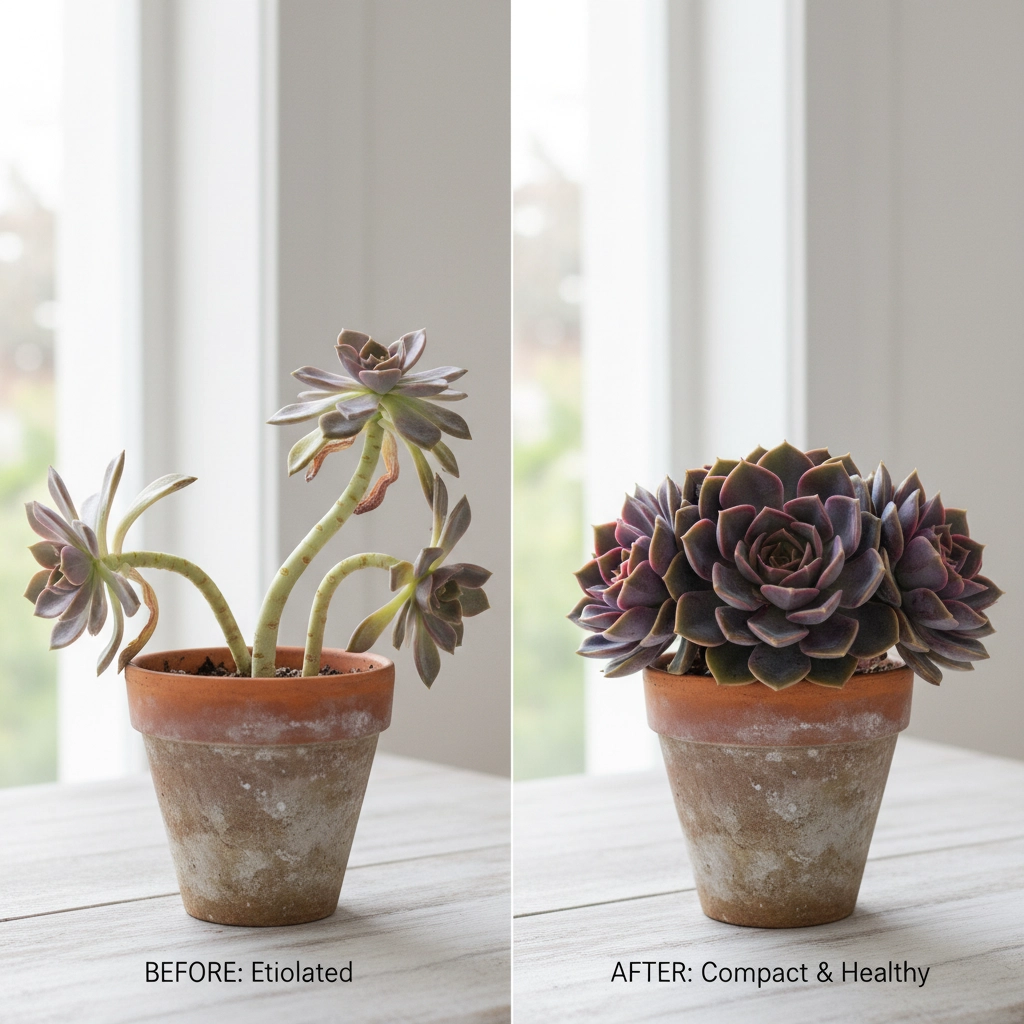
Etiolation is the fancy botanical term for when your succulents get leggy and stretched out. Think of it as your plant's way of saying "Hey, I need more light over here!" When succulents don't get enough bright light, they start growing tall and lanky as they desperately search for their nearest light source.
You'll know etiolation when you see it – instead of those tightly packed, colorful rosettes we all love, your succulent develops long stems with big gaps between the leaves. The plant often becomes pale and weak-looking, losing that vibrant color that makes succulents so stunning.
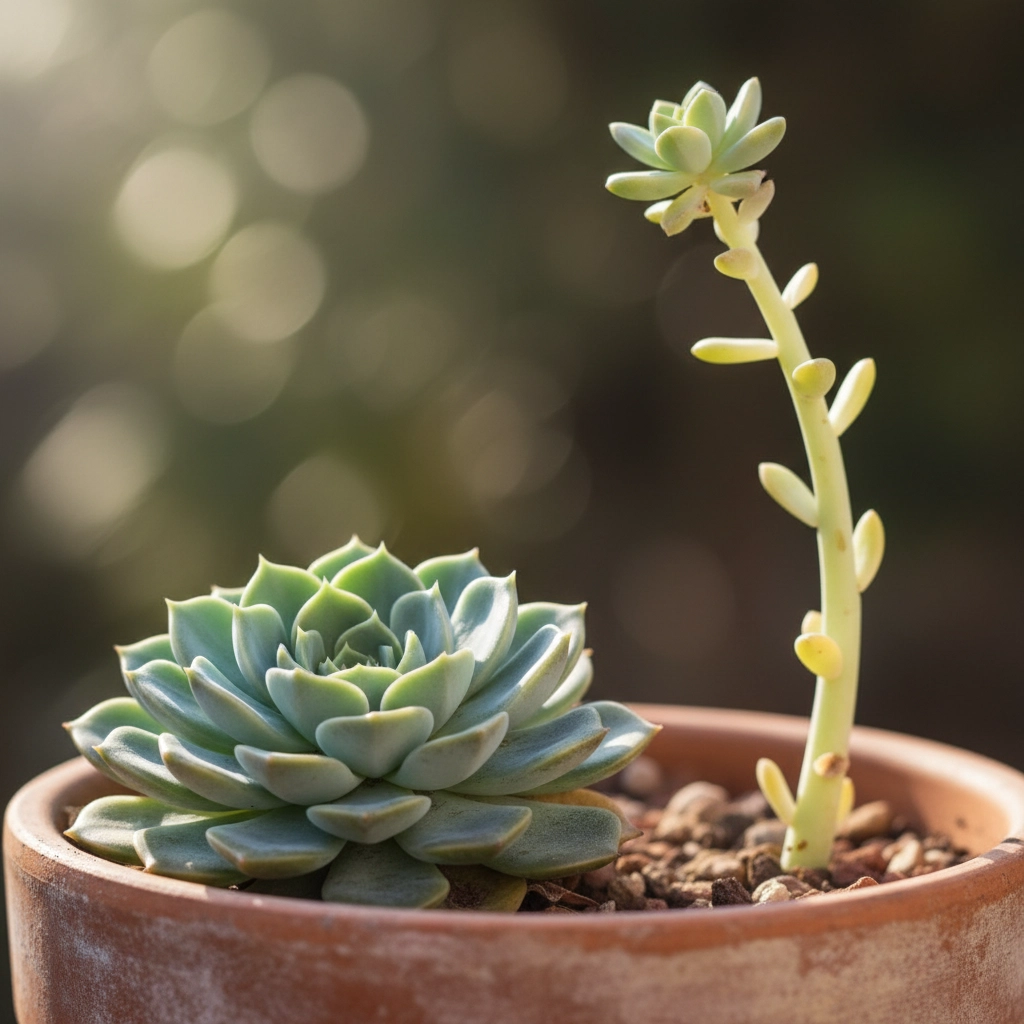
This isn't just a cosmetic issue either. Etiolated succulents are actually weaker and more prone to breaking, falling over, or developing other health problems. But here's the encouraging news: once you understand what's causing it, you can fix it and even turn those leggy bits into new plants!
The Main Culprit: Insufficient Light
Let's get straight to the point – lack of adequate light is the number one reason your succulents become leggy. Even if you think your plant is getting plenty of light by that sunny window, most indoor locations simply don't provide the intense illumination that succulents crave.
Remember, most of our favorite succulents are naturally full-sun plants in their native habitats. They're used to desert conditions with blazing sunshine for 6-8 hours a day. That bright spot in your living room? It's probably giving them maybe 10-20% of what they'd prefer.
When your succulent realizes it's not getting enough light, it kicks into survival mode and starts stretching upward and outward as quickly as possible to reach better light. This rapid growth creates those long, weak stems with widely spaced leaves that we call "leggy."
Other Contributing Factors
While insufficient light is the main villain, a few other factors can make etiolation worse:
Temperature and watering combinations can trick your plant into thinking it's growing season when it should be resting. If you're keeping your succulents warm and watering them regularly during low-light months (like winter), they'll keep trying to grow even when there's not enough light to support healthy growth.
Poor positioning matters too. If your succulents are pushed against a wall or tucked in a corner, they'll lean and stretch toward whatever light source they can find, making the legginess even more pronounced.
Spotting the Warning Signs
Congratulations – you're already learning to identify etiolation! But let's make sure you can catch it early next time. Here are the key signs to watch for:
Leaning is often the first red flag. Your once-upright succulent might start tilting toward the nearest window like it's doing yoga. Many people try rotating their plants to fix this, but that's just treating the symptom, not the cause.
Increased spacing between leaves is the classic etiolation sign. Healthy succulents have leaves that are tightly stacked on top of each other, but when they're light-starved, the stem grows longer between each new leaf, creating those telltale gaps.
You might also notice paler coloration and smaller leaves than usual. Your vibrant purple or red succulent might fade to green, or your normally thick, plump leaves might become thin and delicate.
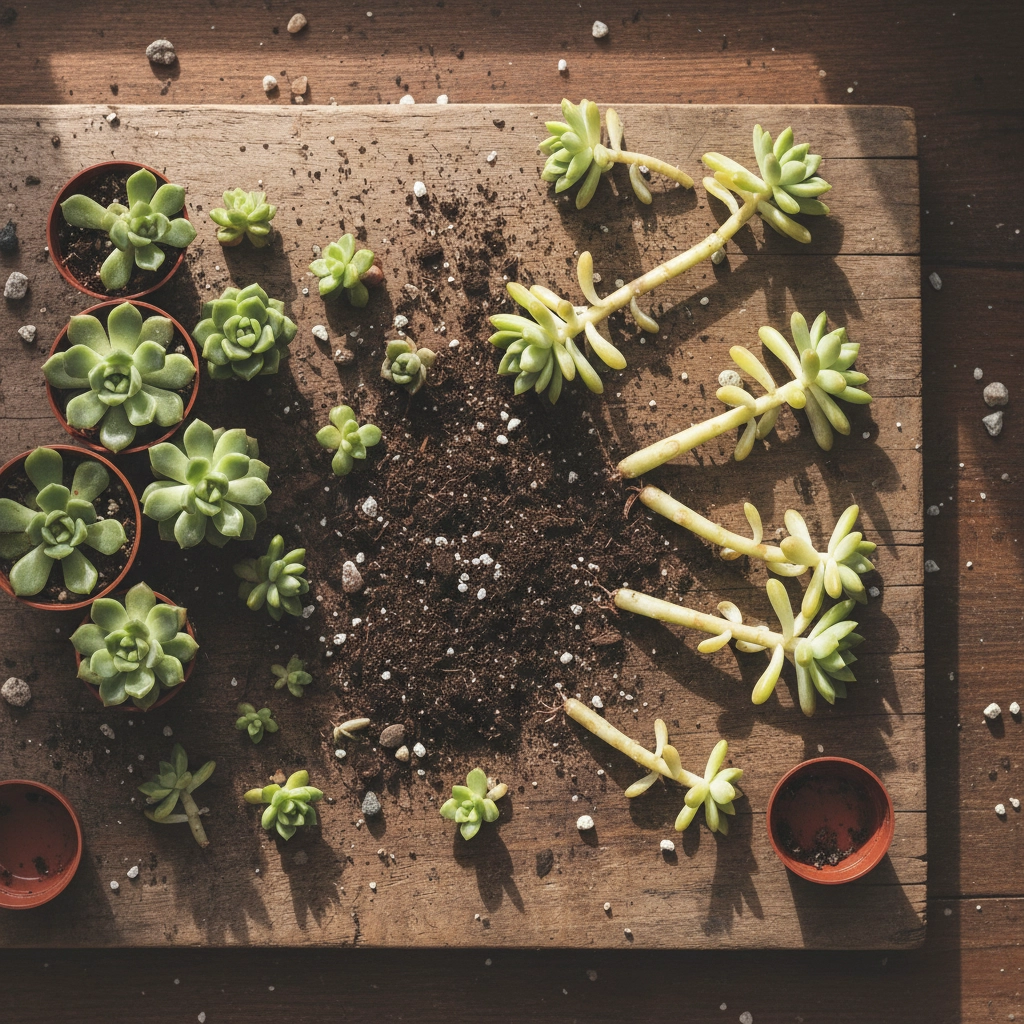
How to Fix Leggy Succulents: The Game Plan
Now for the good stuff – let's talk solutions! You have several options for dealing with leggy succulents, and the best approach often combines multiple strategies.
Step 1: Improve the Lighting Situation
This is your most important fix. For indoor succulents, adding a grow light is almost always necessary. I know it might seem like overkill, but most windows just don't transmit enough light to keep full-sun succulents colorful and compact.
If you can move your plants outdoors (weather permitting), that's even better! Just be careful about the transition – succulents that have been indoors need to be gradually introduced to direct sunlight to avoid sunburn.
For indoor setups, look for full-spectrum LED grow lights that can provide 2000+ lumens. Position them 6-12 inches above your plants and run them for 12-14 hours daily during growing season.
Step 2: Adjust Your Watering Schedule
Here's a helpful temporary fix while you're working on the lighting: water less frequently. Since succulents grow faster when they're watered regularly, reducing your watering schedule from every two weeks to every 3-4 weeks will slow down the stretchy growth.
This tricks the plant into thinking it's dormancy season, which naturally halts that desperate reaching for light. Just remember, this is a bandage solution – you'll still need to address the lighting issue for long-term success.
Step 3: Strategic Pruning
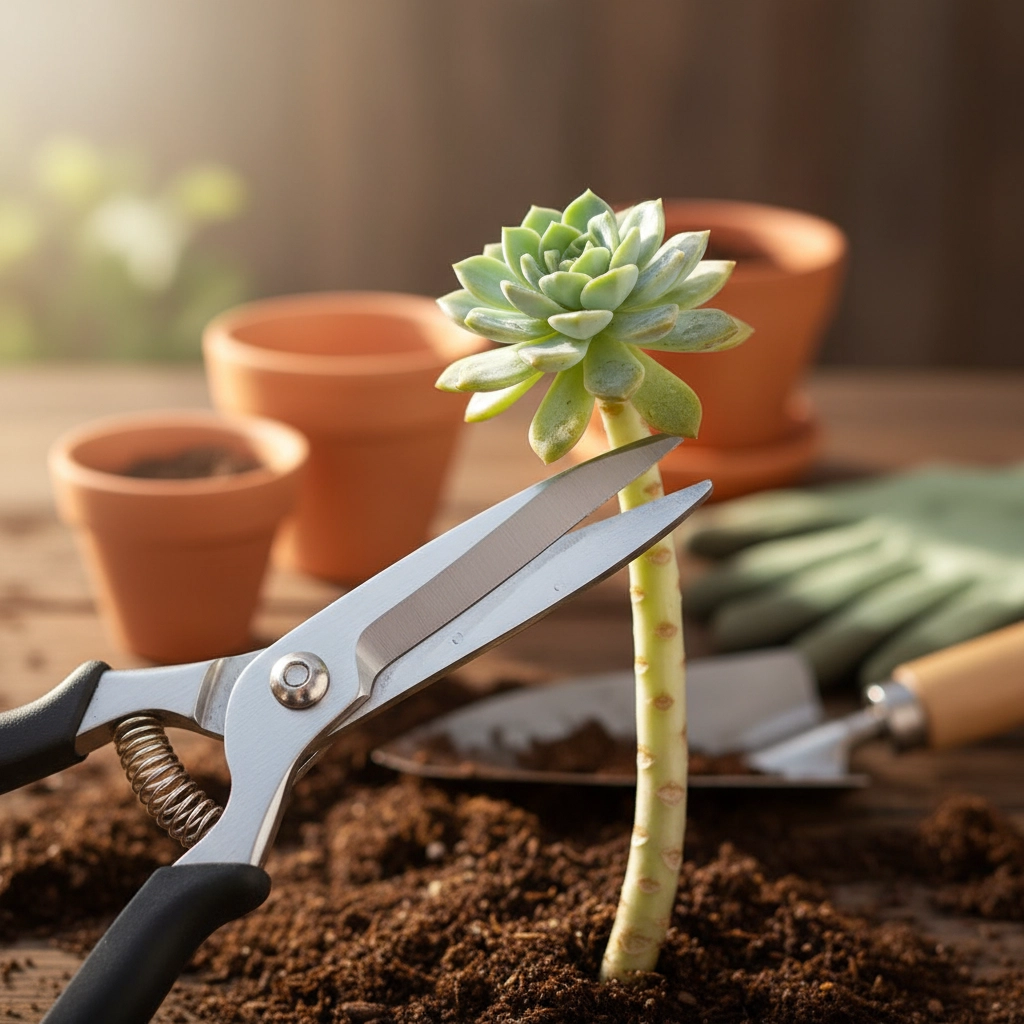
Once your succulent is already leggy, pruning becomes necessary. Don't worry – this isn't as scary as it sounds! You can "top" the plant by cutting off the elongated, sparse upper sections with clean, sharp scissors or pruning shears.
Cut about 1-2 inches below the rosette head, leaving a clean stem. This removal allows new shoots to form from the remaining stem and develop into a more compact, bushier plant. The best part? Those cuttings you just removed are perfect for propagation!
Turn Those Leggy Bits Into New Plants: Propagation Magic
Here's where things get exciting – those leggy cuttings you just pruned off can become brand new plants! This is honestly one of my favorite parts of fixing etiolated succulents because you end up with more plants than you started with.
The Propagation Process
First, let your fresh cuttings sit out in the air for 2-3 days to let the cut ends callus over. This prevents rot when you start the rooting process. Place them in a spot with bright, indirect light – not full sun, which could stress the healing cuts.
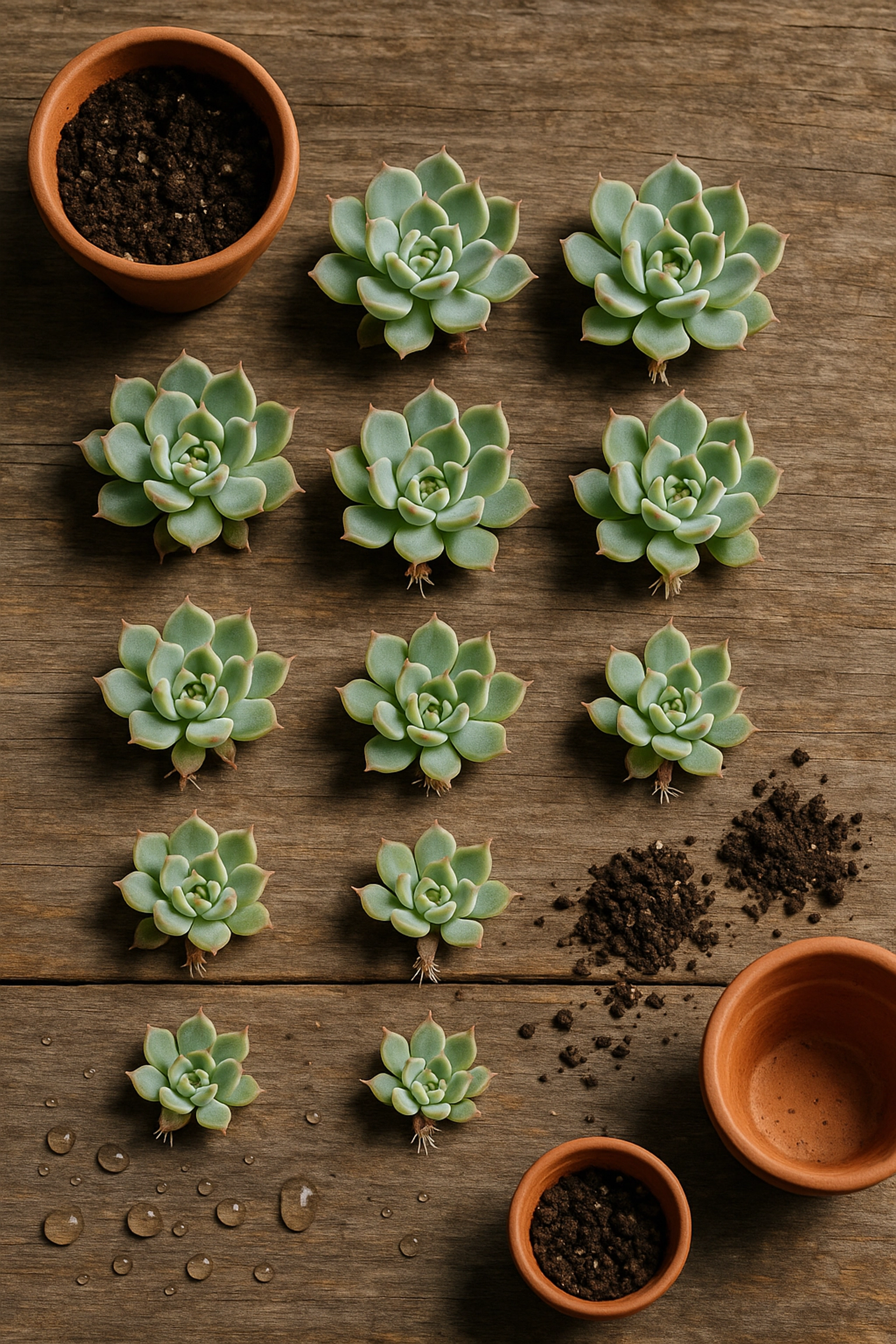
After they've callused, place your cuttings in well-draining soil or even just set them on top of dry soil. Don't water them yet! Let them develop roots first, which usually takes 2-4 weeks.
You'll know they're ready when you see those tiny hair-like roots emerging from the base. Once the roots are about half an inch long, you can start giving them light, infrequent watering and treat them like young succulents.
Success Tips for Propagation
Patience is key – don't rush the process by watering too early or moving them to full sun too quickly. These little guys need time to establish themselves.
Keep your propagating cuttings in bright but indirect light during their first few months. A bright utility room, covered porch, or east-facing window works perfectly.
Within 3-4 months, you'll have adorable baby succulents ready to be potted up individually. It's like magic, but better – because you made it happen!
Prevention: Keeping Your Succulents Compact
Now that you've mastered fixing leggy succulents, let's talk about preventing etiolation in the future. The key is creating an environment where your succulents can thrive instead of just survive.
Lighting is everything – I can't stress this enough! If you're growing succulents indoors, invest in good grow lights. Position them properly and use them consistently. Your plants will thank you with compact growth and vibrant colors.
Seasonal adjustments matter too. During winter months when natural light decreases, you might need to increase your grow light usage or move plants to brighter locations. Learn more about general succulent care to keep your collection thriving year-round.
Monitor your watering based on the season and light levels. Less light = less water needed. It's that simple! When in doubt, err on the side of underwatering rather than overwatering.
Your Success Story Starts Now
You've now learned everything you need to know about identifying, fixing, and preventing leggy succulents! From understanding what etiolation is to successfully propagating those stretched-out stems into new plants, you have all the tools for success.
Remember, every plant parent deals with this issue at some point – it's part of the learning process. The fact that you're here reading this means you care about giving your succulents the best possible care, and that's what matters most.
Don't forget to celebrate the small victories along the way. When you see new compact growth on a plant you pruned, or when those propagated cuttings develop their first roots – those are your success stories!
Happy succulent caring! And if you need more specific advice or want to share your success stories, we're always here to help. Your leggy succulents are about to become your most rewarding plant parent accomplishment yet.